Watamu: Kenya's Best-Kept Coastal Secret (That Everyone's Finally Talking About)
Where Exactly Is Watamu (And Why Should You Care)?
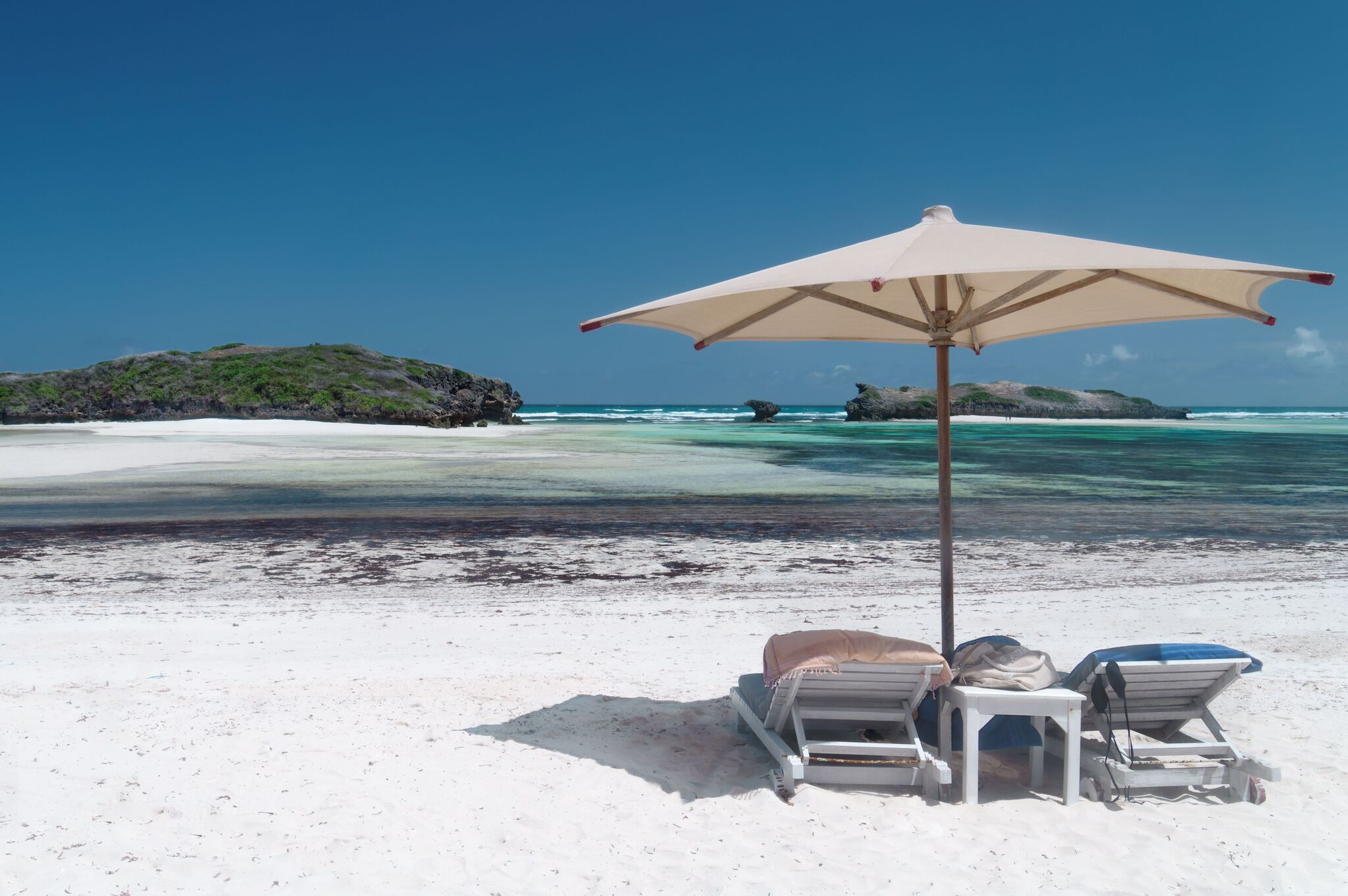
Watamu sits on Kenya's north coast, about 25 minutes south of Malindi and a short domestic flight or scenic drive from Nairobi or Mombasa. It's small — more fishing-village-meets-beach-paradise than sprawling resort strip — which is precisely the point. You come here for barefoot lunches, water so clear it looks photoshopped, and a pace of life dictated entirely by the tide.
It also happens to sit alongside one of the oldest marine national parks in Africa, which is where things get genuinely spectacular.
Watamu Marine National Park: Kenya's Underwater Masterpiece
Established in 1968, Watamu Marine National Park was one of the first of its kind on the continent, and it shows in the reef health. We're talking coral gardens in electric blues and pinks, over 600 species of fish, and visibility that regularly hits 20+ metres. Snorkel straight off the beach or take a glass-bottom boat out to Coral Gardens — either way, you're getting a front-row seat to a reef system that's been protected for over half a century.
Green and hawksbill turtles are practically locals here. Local NGO Local Ocean Conservation runs a rescue and rehabilitation centre right in Watamu town, and visiting is one of the most worthwhile hours you'll spend on the whole coast — equal parts heartwarming and educational, with zero cheesiness.
Mida Creek: Mangroves, Kayaks, and a Sunset That Shows Off
Just south of Watamu, Mida Creek is a tidal inlet lined with mangrove forests and criss-crossed by boardwalks built by the local community. Kayak through at sunset (non-negotiable, honestly) and you'll pass through channels alive with kingfishers, herons, and the occasional very unbothered crab. It's also one of the better birdwatching spots on the coast if you're into that sort of thing — and even if you're not, you will be by the time you leave.
Arabuko Sokoke Forest: Kenya's Largest Coastal Forest
Most people don't realise there's a genuine forest safari waiting 15 minutes inland from the beach. Arabuko Sokoke is East Africa's largest remaining coastal forest, home to species found nowhere else on the planet — the Sokoke Scops Owl and the golden-rumped elephant shrew among them. It's a brilliant half-day add-on if you want to tell people you did a beach holiday and a forest safari in the same week, because honestly, why not.
Gede Ruins: A 13th-Century Ghost Town in the Jungle
A few kilometres from the beach, swallowed almost entirely by forest, sit the Gede Ruins — the remains of a Swahili trading town abandoned in the 17th century for reasons historians still argue about. Coral-stone palaces, mosques, and tombs sit under a canopy thick enough to keep things eerily cool and quiet, with monkeys as your only company. It's atmospheric in a way that photos genuinely undersell.
What to Do in Watamu: The Highlight Reel
- Snorkelling and diving in the Marine Park's coral gardens
- Deep-sea fishing — Watamu is a serious sport-fishing destination, sailfish and marlin included
- Turtle watching at the Local Ocean Conservation centre
- Kayaking Mida Creek at golden hour
- Exploring Gede Ruins and Arabuko Sokoke Forest
- Beach days, full stop — Watamu's sand is the kind of pale, fine powder that ruins other beaches for you permanently
Best Time to Visit Watamu
The dry seasons — December to March and July to October — offer the best combination of sunshine and calm seas. October to March also brings peak turtle nesting activity, if that's on your bucket list. The long rains (April–June) are quieter and cheaper, but expect the occasional downpour to interrupt your tan.
Pairing Watamu With a Safari
Here's the bit we love most: Watamu makes an outstanding "beach after bush" close to a Kenyan safari. Fly out of the Masai Mara or Amboseli, land at Malindi Airport, and be toes-in-the-sand within the hour. It's the classic Kenyan combo — dust and game drives followed by salt air and turtles — and it's one of the easiest add-ons to build into a tailor-made itinerary.
If that sounds like your kind of trip, that's exactly what we do at Sublime Safaris — tailor-made Kenya, Tanzania, and Zanzibar itineraries built around exactly this kind of pairing. Get in touch and we'll build you one.
www.sublimesafaris.com
Share This Story
