The Samburu Special Five: Kenya's Rare Northern Wildlife
venture north into Samburu National Reserve, and you'll encounter a different, equally captivating checklist: the Samburu Special Five. These five species — Grevy's zebra, reticulated giraffe, Somali ostrich, gerenuk, and Beisa oryx — are uniquely adapted to Kenya's arid northern landscapes and are difficult or impossible to spot anywhere else in the country. For travelers looking to go beyond the classic safari circuit, the Special Five offer a rare and rewarding wildlife experience.
What Is the Samburu Special Five?
The term "Special Five" was coined to highlight species endemic or largely restricted to Kenya's arid and semi-arid north — particularly the Samburu-Buffalo Springs-Shaba ecosystem. Unlike the Big Five, which were historically defined by hunting difficulty, the Special Five are grouped by their rarity and habitat specialization. Spotting all five in one trip is considered a badge of honor among seasoned safari travelers.
Meet the Samburu Special Five
1. Grevy's Zebra
The largest and most endangered of the world's three zebra species, the Grevy's zebra is instantly recognizable by its narrow stripes, large rounded ears, and white belly. Fewer than 3,000 remain in the wild, with the majority found in Samburu and Laikipia. Unlike the more common plains zebra, Grevy's zebras live in loose, shifting herds and are more closely related to wild asses.
2. Reticulated Giraffe
With a striking coat pattern of sharply defined, liver-colored patches separated by bright white lines, the reticulated giraffe is one of the most photogenic animals in Africa. Found almost exclusively in northern Kenya, southern Ethiopia, and Somalia, it's a favorite among wildlife photographers visiting Samburu.
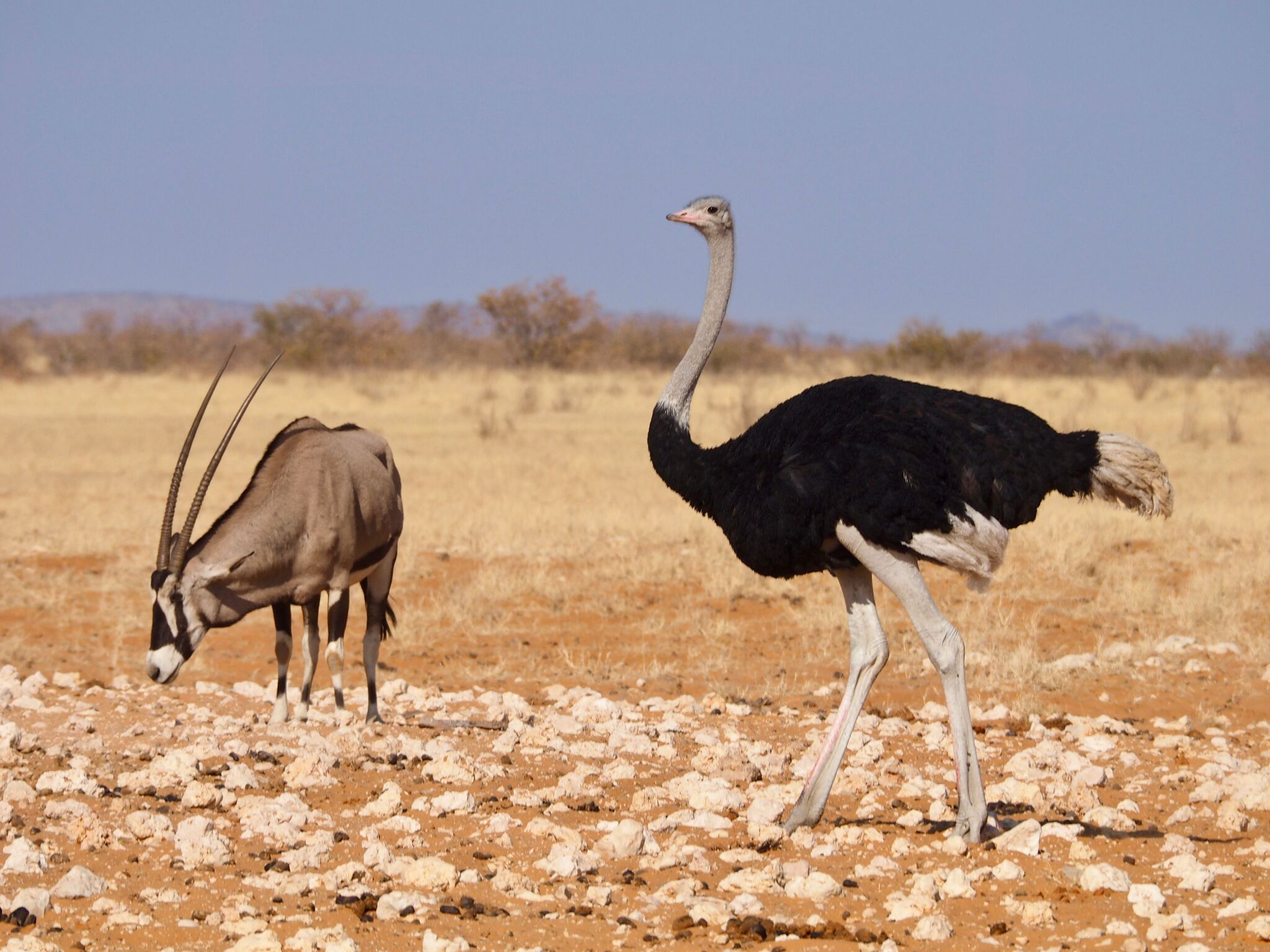
3. Somali Ostrich
Distinguished from the common ostrich by its blue-grey neck and legs (rather than pink), the Somali ostrich is the world's largest living bird species found in this region. Males display vivid blue coloring during breeding season, making them a striking sight against Samburu's red-earth landscape.
4. Gerenuk
Perhaps the most unusual-looking member of the Special Five, the gerenuk is a long-necked antelope that browses standing on its hind legs, reaching acacia leaves other herbivores can't access. Its name derives from the Somali word for "giraffe-necked," and its slender frame makes it one of the most distinctive species in East Africa.
5. Beisa Oryx
With striking black-and-white facial markings and long, straight horns, the Beisa oryx is built for survival in Kenya's harshest terrain. Highly heat-tolerant, it can go for extended periods without water, thriving in the semi-arid bush where few other large mammals can.
Where to See the Samburu Special Five
The best place to spot all five species is within the Samburu National Reserve, Buffalo Springs National Reserve, and Shaba National Reserve — three contiguous reserves along the Ewaso Nyiro River in northern Kenya. This region's dry acacia bushland and riverine forest create the perfect habitat for these arid-adapted species, alongside other Samburu highlights like elephants, leopards, and the occasional wild dog sighting.
When to Visit Samburu for the Best Sightings
Samburu offers good game viewing year-round, but the dry seasons — June to October and January to February — are ideal, as animals concentrate near the Ewaso Nyiro River for water. Game drives during these months offer higher chances of spotting all five species in a single visit.
Combine the Special Five With a Broader Kenya Safari
Samburu pairs beautifully with a wider northern circuit itinerary, often combined with Laikipia's conservancies (Ol Pejeta, Lewa) or extended south toward the Maasai Mara for a complete Kenya wildlife experience — from the arid north's rare specialists to the classic Big Five of the savannah.
Ready to spot Kenya's Special Five? Sublime Safaris designs tailor-made itineraries to Samburu and beyond — get in touch to start planning your northern Kenya adventure
call +254110090711
www.sublimesafaris.com
Share This Story
