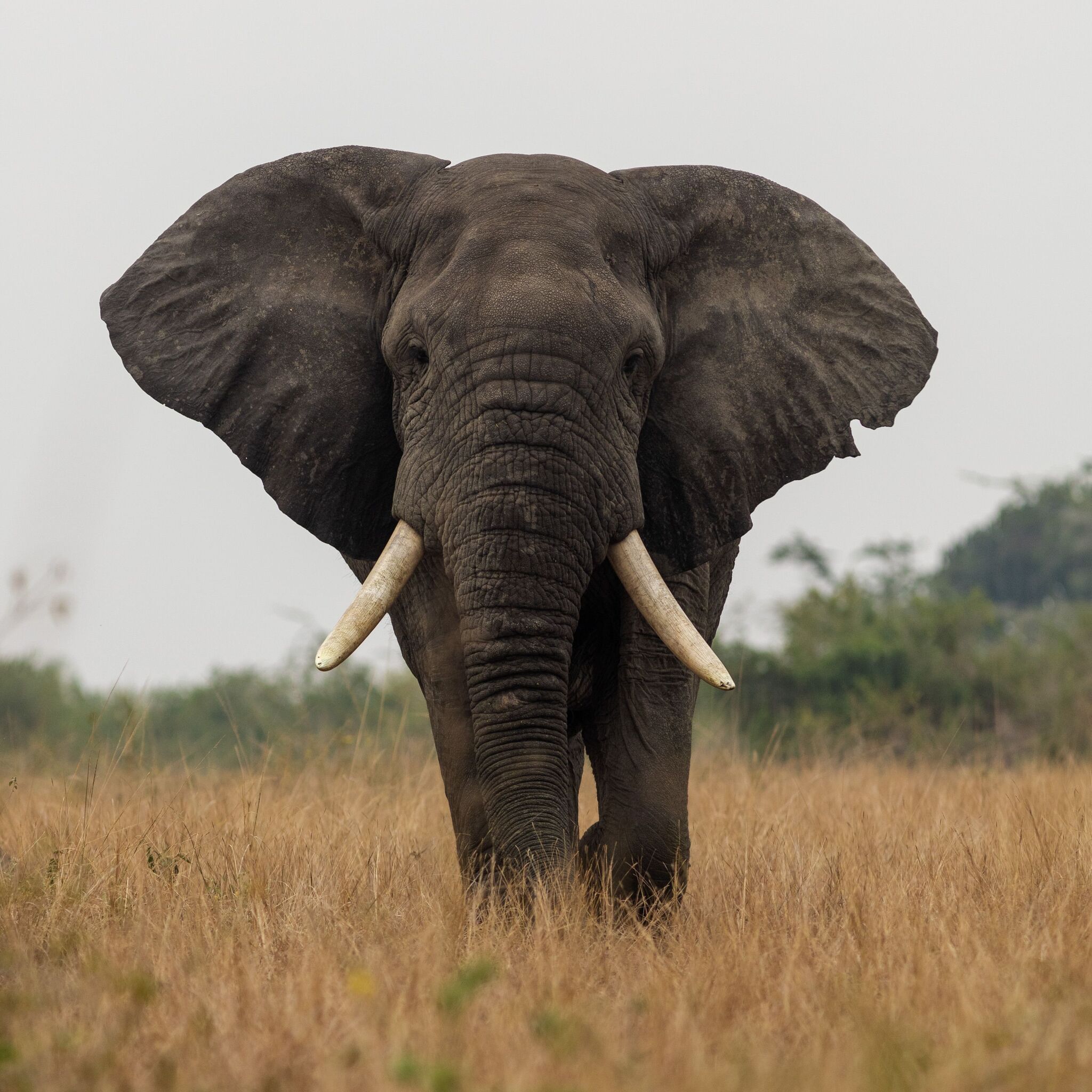
If elephants had a modeling agency, Amboseli would be their headquarters. Nowhere else in Africa do these massive, wrinkly icons pose so effortlessly in front of Mount Kilimanjaro's snow-capped peak, turning every tourist's phone camera into a National Geographic cover shoot. Ask any wildlife photographer where to get that shot — elephant in the foreground, Africa's highest mountain looming behind — and they'll say one word: Amboseli.
But Amboseli isn't just famous for a pretty backdrop. It's home to some of the most studied, most relaxed, and frankly most photogenic elephants on the planet.
Why Amboseli's Elephants Are Different
Most parks make you squint through binoculars hoping for a distant grey blob. Amboseli laughs at that concept. Thanks to its swampy wetlands fed by underground water from Kilimanjaro's glaciers, the park's elephants gather in large, visible herds right out in the open plains. No dense bush. No guesswork. Just elephants, doing elephant things, in full view.
The Amboseli Trust for Elephants has been tracking individual elephants here since 1972, making this one of the longest-running elephant research projects in the world. Many of the elephants you'll see on safari have names, family trees, and decades of documented history. You're not just spotting wildlife — you're meeting minor celebrities.
What Makes Them So Chill
Amboseli's elephants have grown up around safari vehicles for generations, and it shows. They graze, wallow, and wander within a respectful but thrilling distance of game-viewing vehicles, giving visitors long, unhurried encounters instead of the usual blink-and-they're-gone sighting.
Watching a herd cross the swamp at golden hour, babies stumbling behind their mothers while an ancient matriarch leads the way, is the kind of moment that makes you understand why people fall in love with Kenya on their very first safari.
Best Time to See Them
Elephants are present in Amboseli year-round, but the dry season (June to October and January to February) is prime time. Water becomes scarce elsewhere, so herds concentrate around Amboseli's permanent swamps — meaning bigger groups, closer sightings, and that iconic dusty backdrop against Kilimanjaro's white peak.
Tips for the Perfect Elephant Encounter
- Go early or late. Morning and late afternoon light make for stunning photos and cooler, more active elephants.
- Bring a zoom lens for portraits, but don't forget a wide-angle shot to capture the Kilimanjaro backdrop.
- Be patient. The best elephant moments — a calf playing, a matriarch trumpeting — happen when you're willing to sit and wait.
- Respect the distance. These are wild animals, not props. Your guide will know exactly how close is close enough.
Ready to Meet Them Yourself?
At Sublime Safaris, Amboseli is a staple on our Kenya itineraries, whether you're joining our budget-friendly circuits or a tailor-made luxury experience. Few things beat standing in an open-sided safari vehicle, watching a herd of elephants stroll past with Kilimanjaro glowing behind them.
Get in touch and let's build your Amboseli adventure.
