Mambrui: The Malindi Neighbor Everyone Forgets to Google
Nine kilometres north of Malindi, right after you cross the Sabaki River bridge, there's a small town that most safari brochures completely ignore. That's Mambrui's problem, and honestly, your opportunity.
While Malindi gets the crowds and Watamu gets the marine park fame, Mambrui just sits there quietly being one of the oldest trading posts on the entire Swahili Coast. No big fuss. No influencer stampede. Just golden dunes, a slow tide, and a history that predates most European maps of Africa.
Let's fix the oversight.
Kenya's Actual "Little Dubai" (No Passport Required)
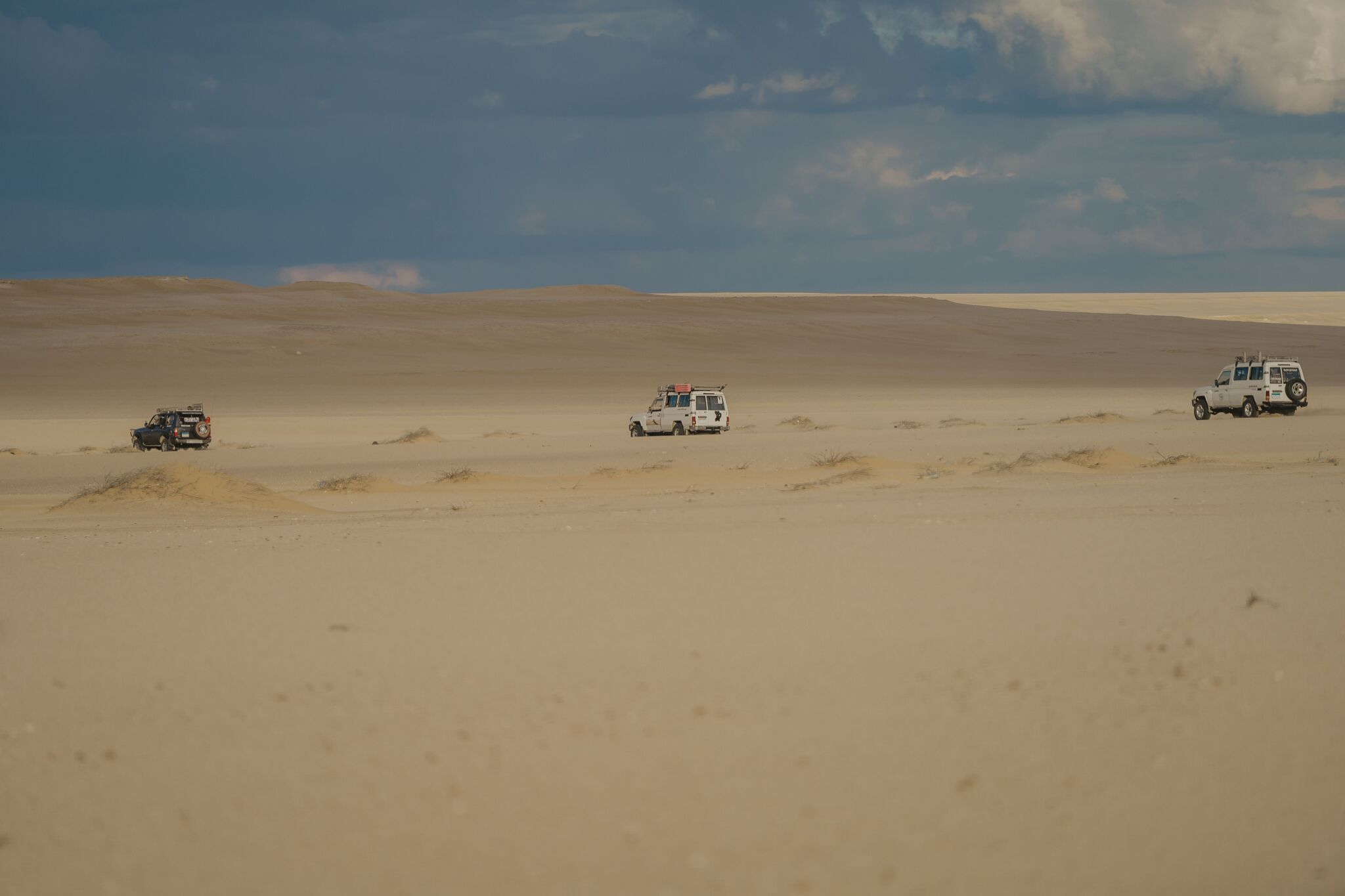
Here's the part that breaks people's brains a little: Kenya has sand dunes. Real ones. Rolling, wind-sculpted, 200-feet-tall dune ridges built from wind-blown white to creamy-coloured sand, stretching along the coastline just past the Sabaki River delta. Kenya's Forests
Locals nicknamed the area "Dubai Ndogo," or Little Dubai, and for once the nickname isn't exaggerating. You get actual desert scenery colliding with the turquoise Indian Ocean in the same frame — the kind of contradiction that makes for the least believable, most re-shared photo of your entire trip. Shishifootsteps
It's roughly a 40 to 50 minute drive north of Malindi town along the Malindi-Lamu Road, which makes it an easy half-day detour rather than a full expedition. Bring water, bring sunscreen, and bring low expectations for keeping sand out of your shoes. Shishifootsteps
A Trading Post That Was Doing Business Before Your Country Existed
Before Mambrui was a sand-dune selfie spot, it was serious business — literally. Archaeological digs have turned up iron slags, an iron smelter, porcelain shards, and a Chinese coin dating back to the early 15th century, evidence of a trading network that stretched all the way to Ming Dynasty China. Travel Moran
Chinese records from the Sung and Ming Dynasties describe East Africa's coastal towns, Mambrui included, as active partners in the gold, ivory, and skins trade — long before "supply chain" was a phrase anyone needed.
Wander into town today and you'll find the remnants of that era still standing: old mosques and tombs from the medieval period, including the Qubba Mosque, one of the earliest mosques on the Kenyan coast. It's not polished for tourists. It's just quietly, genuinely old — the kind of old that makes European colonial history look recent by comparison.
Why Mambrui Feels Like Malindi's Chill Older Sibling
If Malindi is the cousin who shows up to every family event with a new outfit, Mambrui is the one who stays home reading and somehow seems more interesting. It offers a wilder, more pristine setting than Malindi or Watamu, with far fewer people and far less noise — just local fishermen, the odd kitesurfer, and space. A lot of space.
That emptiness is the whole point. No beach boys hustling you every ten metres, no jet-ski traffic jams — just wide, uncrowded sand and the kind of quiet that makes you forget to check your phone.
Kitesurfers already know this. The wind conditions and open beach make Mambrui a low-key favourite for anyone chasing that sport without the Diani-level crowd.
What to Actually Do in Mambrui
- Climb the dunes at sunrise or sunset, when the light turns the sand copper-gold and the heat is bearable.
- Visit the Qubba Mosque and old tombs for a genuinely under-touristed history fix.
- Walk Mambrui Beach, where you'll likely share the sand with more crabs than people.
- Combine it with a Malindi day trip — pair it with the Vasco da Gama Pillar, the Portuguese Chapel, and Gede Ruins for a full coastal-history circuit.
- Try kitesurfing, if you've got the gear or want to book a local instructor.
The Best Time to Go
Early morning is non-negotiable if you want photos without heat-shimmer and without becoming personally acquainted with the equatorial sun. The dunes hold heat fast, so aim to arrive before 9am or return in the late afternoon as the light softens again.
Final Word
Mambrui isn't trying to be the next big thing on the Kenyan coast, and that's exactly its charm. It's the rare spot where "hidden gem" isn't just a marketing phrase — it's a fifteen-century trading post wrapped in sand dunes that most travellers still haven't heard of.
Add it to your Malindi itinerary before everyone else catches on.
www.sublimesafaris.com
Share This Story
